
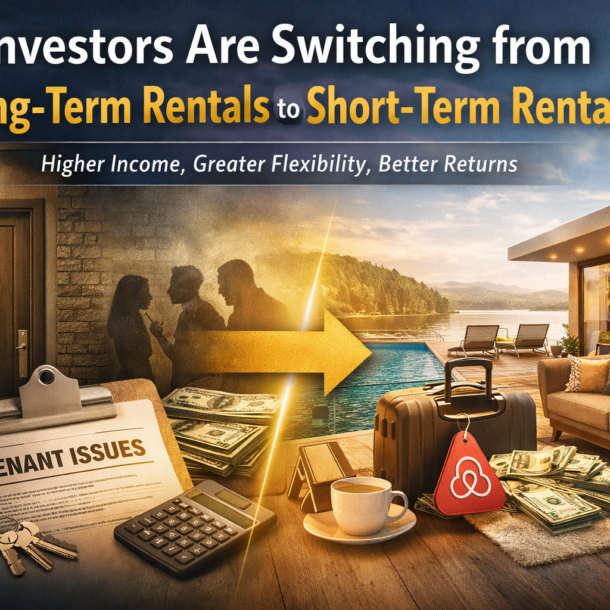
Real estate investors today are asking a smarter question than ever before: Which strategy actually delivers better returns—short-term rentals or traditional leasing?
If you’re evaluating opportunities in Ontario, the difference in ROI can be significant when the property is positioned and managed correctly.
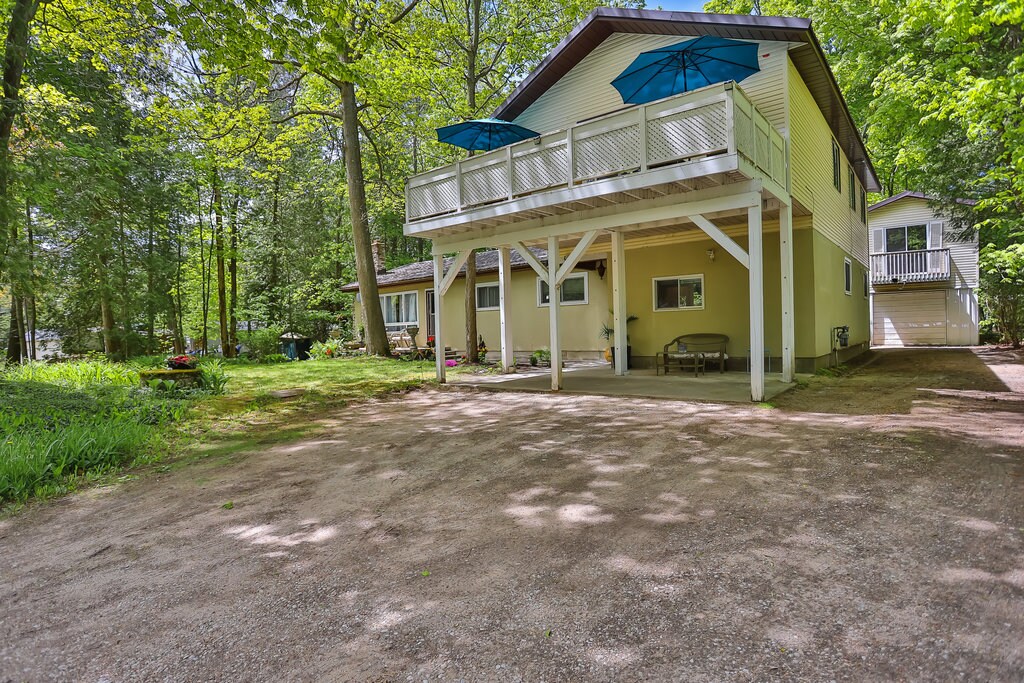
At Bespoke Stays, the focus is simple: transform properties into high-performing income assets through strategic setup, compliance, and professional management. Let’s break down the real numbers, risks, and long-term value of both investment approaches.
Understanding ROI in Real Estate
Return on Investment (ROI) in rental property isn’t just about monthly rent. A true comparison includes:
-
Gross monthly revenue
-
Occupancy rate
-
Operational costs
-
Flexibility of use
-
Risk exposure
-
Long-term asset appreciation
Traditional leasing provides predictable income. Short-term rentals provide optimized income potential. The difference lies in pricing control, demand responsiveness, and professional management strategy.
Traditional Leasing: Stability with Limited Growth
Long-term rentals have been the default investment model for decades. The structure is simple: one tenant, fixed rent, annual increase.
Advantages
✔ Stable monthly income
✔ Lower marketing involvement
✔ Fewer guest turnovers
Limitations Impacting ROI
Revenue ceiling: Monthly rent is locked for the lease duration, even if market demand rises.
Tenant risks: Late payments, disputes, property wear, and vacancy turnover costs.
Limited flexibility: Owners cannot use the property without ending the lease.
Regulatory complexity: Evictions and tenancy hearings can take months.
While traditional leasing offers predictability, it rarely maximizes earning potential—especially in high-demand travel markets.
Short-Term Rentals: Revenue Built on Demand
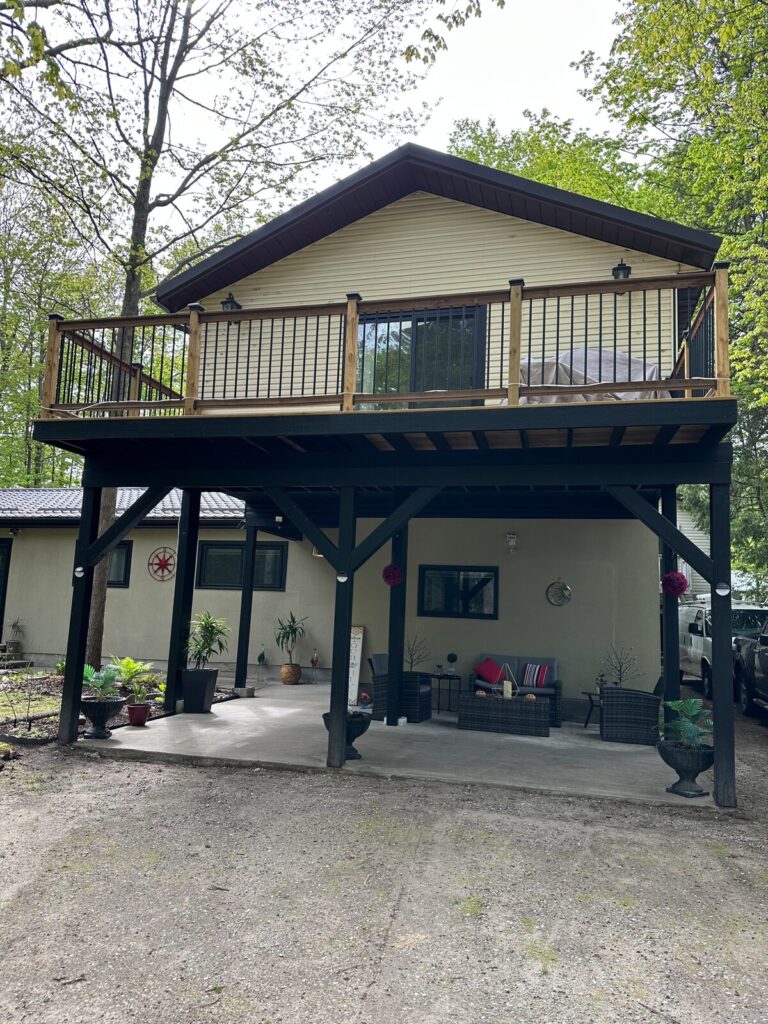
Short-term rentals operate on a completely different financial model. Instead of fixed monthly rent, income is optimized through demand-based pricing, occupancy strategy, and professional positioning.
Why Short-Term Rentals Deliver Higher ROI
1. Dynamic Pricing Increases Revenue Potential
Unlike traditional leasing, short-term rentals use dynamic pricing for short-term rentals in Ontario. Rates adjust based on:
-
Seasonality
-
Local events
-
Market demand
-
Property performance
-
Competitor analysis
This approach allows investors to capture peak pricing opportunities instead of staying locked into fixed rent. It’s one of the biggest drivers behind high ROI short-term rental investments in Ontario.
2. Higher Monthly Gross Income
A well-positioned, high-performing short-term rental can generate significantly higher gross revenue than traditional leasing. With professional listing optimization and revenue management, many investors see up to 2× the monthly earnings compared to long-term rentals.
3. Flexibility Without Income Loss
Owners maintain control of their property. You can block dates for personal stays while still generating income year-round. This flexibility adds both lifestyle and financial value.
4. Growing Market Demand
Travelers, corporate professionals, relocating families, and remote workers increasingly choose luxury short-term rentals Ontario over hotels. Demand growth directly supports occupancy and pricing power.
The Role of Professional Management in ROI
Not all short-term rentals perform equally. Success depends on execution. Investors who partner with licensed short-term rental management in Ontario consistently outperform self-managed properties.
What Professional Management Impacts
Property Positioning
A licensed Ontario realtor for short-term rental investors helps identify properties based on profitability potential, location demand, and regulatory compliance.
Guest Experience Optimization
Professional staging, design strategy, and operational systems create high-performing short-term rentals that earn premium pricing and repeat bookings.
Revenue Strategy
Advanced tools enable dynamic pricing for short-term rentals that responds to real-time market behavior.
Full-Service Operations
With hands-off short-term rental management Canada, investors avoid daily involvement while maintaining performance visibility.
Compliance & Legal Protection
Operating a licensed short-term rental Ontario property reduces regulatory risk and protects long-term profitability.
Cost Comparison: Traditional vs Short-Term Rental
| Factor | Traditional Leasing | Short-Term Rentals |
|---|---|---|
| Pricing Control | Fixed monthly rent | Dynamic pricing based on demand |
| Income Potential | Moderate, capped | High, market-driven |
| Property Use | Restricted | Flexible owner access |
| Tenant Risk | High | Low |
| Management Involvement | Low but reactive | Professional & optimized |
| Revenue Growth | Slow | Scalable |
While short-term rentals may involve operational management, professionally managed short-term rentals Ontario convert complexity into performance.
What Defines a High-Performing Short-Term Rental
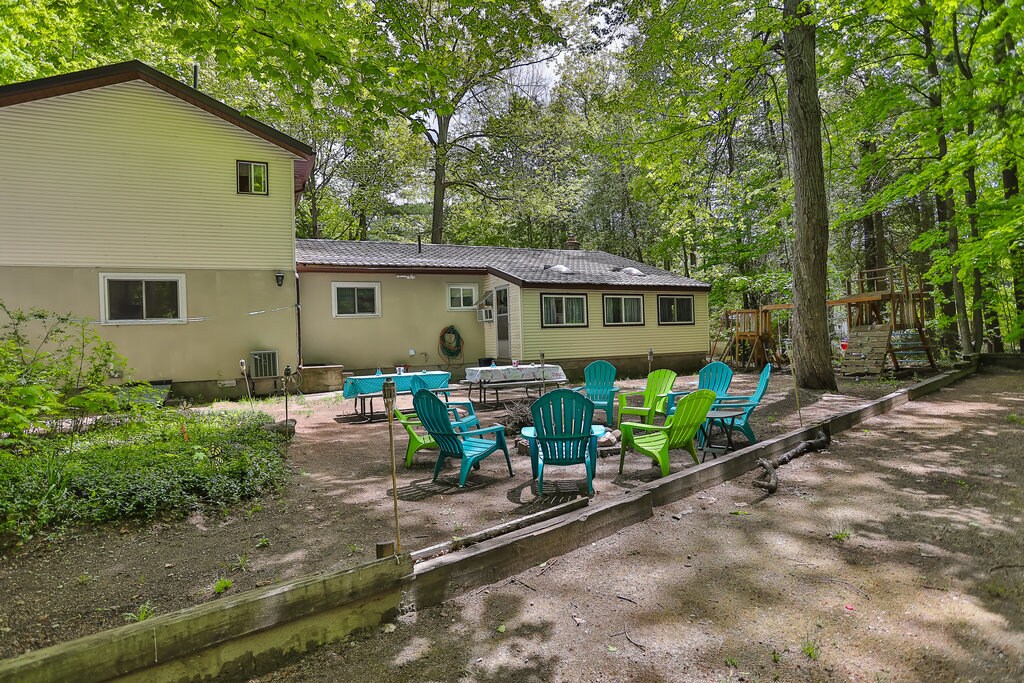
Not every property qualifies as a profitable short-term rental investment. The highest returns come from properties that meet key performance criteria:
✔ Strategic location with travel demand
✔ Market-aligned furnishing and design
✔ Professional listing optimization
✔ 5-star guest experience systems
✔ Data-driven pricing strategy
✔ Regulatory compliance
✔ Ongoing performance monitoring
This is where high-performing short-term rental management becomes the deciding factor between average income and premium ROI.
Risk Perspective: Which Strategy Is Safer?
Traditional leasing appears safer due to predictable rent—but hidden risks often reduce long-term profitability:
-
Tenant disputes
-
Vacancy loss between leases
-
Property wear from long-term occupancy
-
Limited pricing flexibility
-
Legal resolution delays
Short-term rentals distribute risk across multiple guests instead of relying on a single tenant. When professionally managed, performance data, maintenance schedules, and revenue strategy reduce uncertainty.
The Long-Term Wealth Advantage
Investors increasingly view short-term rentals not just as income properties, but as scalable wealth assets. Benefits include:
-
Faster capital recovery
-
Higher cash flow potential
-
Asset appreciation with income optimization
-
Lifestyle flexibility
-
Portfolio diversification
A professionally managed, high-performing short-term rental functions as both an investment and a business asset.
Final Verdict: Which Delivers Better ROI?
If your goal is stability with minimal involvement, traditional leasing offers predictability.
If your goal is optimized income, flexibility, and scalable returns, short-term rentals consistently outperform when professionally managed.
The real difference isn’t just the rental model—it’s the strategy behind execution.
Ready to Maximize Your Property’s Potential?
For investors seeking Airbnb short-term rental management Ontario, the path to higher ROI starts with expert property selection, compliant setup, and data-driven management.
With licensed expertise, optimized operations, and performance-focused strategy, short-term rentals can transform real estate ownership into a high-yield investment model.